Security & Truststory2 min
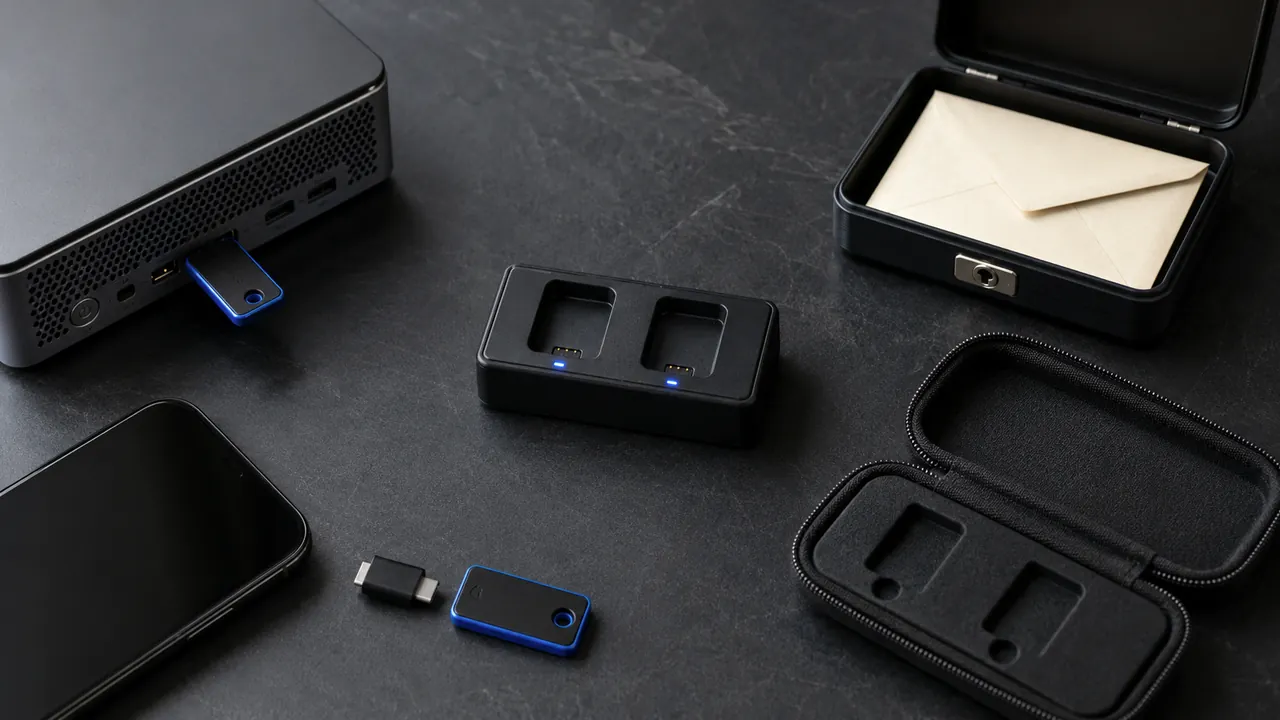
Are You Ready for a Hardware Security Key?
Security keys can resist common phishing, but everyday readiness requires two keys, supported accounts, and a recovery route.
Clear, verified help for apps, money, security, AI, and everyday tech problems.
Search by idea, then narrow by desk, format, or date order.
30 results for "security"
Security keys can resist common phishing, but everyday readiness requires two keys, supported accounts, and a recovery route.

Prioritize new sign-ins, recovery changes, money movement, and new-device notices; route them somewhere you will see.

A safe install starts before you click Download: verify the publisher, the address, the file and the permissions the installer requests.

Security keys and passkey-style authentication are strongest; authenticator apps are a practical fallback; SMS is better than password-only.
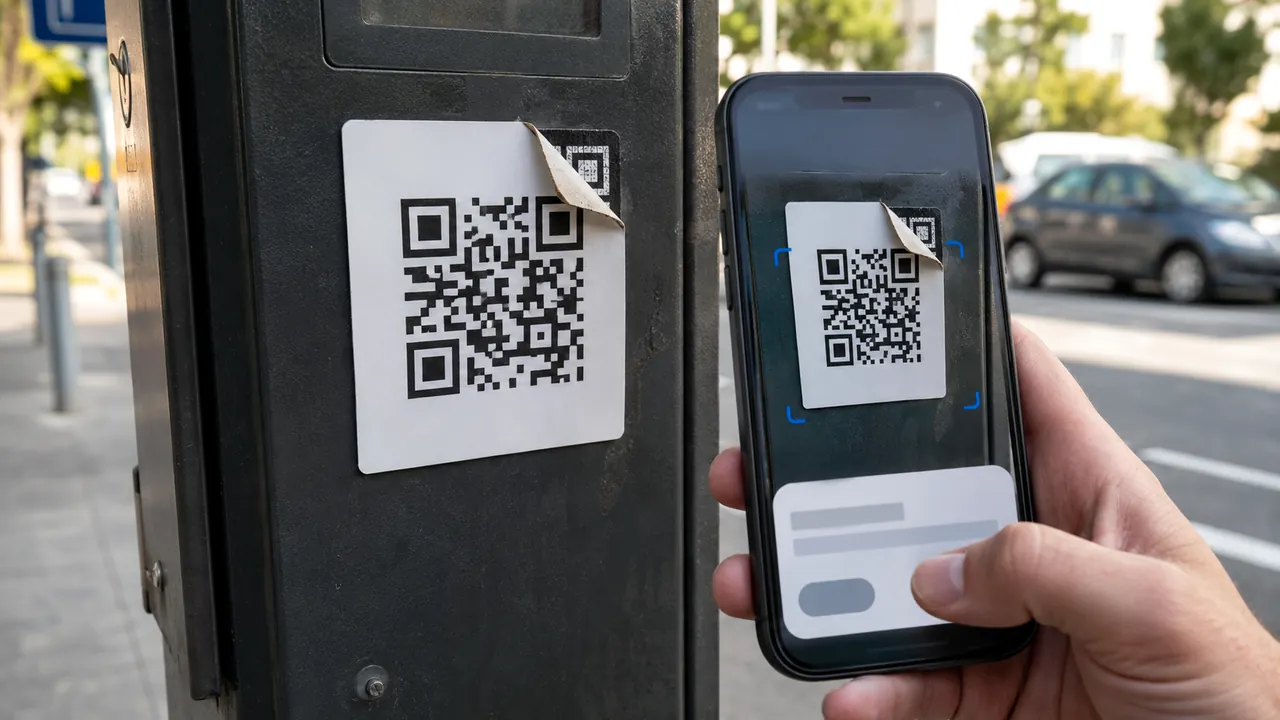
Treat a QR code as a concealed link: preview it, inspect its context, and use a known route for payments or logins.

Start with a unique master password, recovery material, and a small migration—not a rushed import of every account.

A recovery mailbox should be independent, monitored, strongly protected, and used for recovery—not newsletters and random signups.

Ignore the number in a warning, ad, or unsolicited message; open the app or type the official site yourself.

Open the account independently, inspect device and location details, then secure the account if the event is not yours.

Recover the mailbox, remove persistence, protect downstream accounts, and preserve a timeline before the attacker can reset more services.

Unexpected loss of calls and texts plus account alerts deserves a carrier check and immediate protection of email and financial accounts.

Remove old OAuth grants and sign-in connections that no longer have a clear job.

Prepare an official recovery path, backup factors and post-recovery checklist for important accounts.

Security fixes do not help a browser that has been waiting weeks for a restart. Check the real version, restart when required and retire unsupported systems.

Update quickly when security is at stake, but use backups, release notes and a small delay window to protect important work.

A five-star rating cannot tell you whether an extension can read every page you visit. The permission screen can—and it deserves a minute before installation.

The browser can try HTTPS first and warn before loading an insecure connection. That protects the trip to a site, but it does not prove the site itself is honest.

A website notification can appear outside the tab and imitate a system warning. Remove the site's permission instead of clicking the alert or installing its suggested fix.

A malicious page can contain instructions aimed at the AI reading it. Limit permissions and confirm actions.
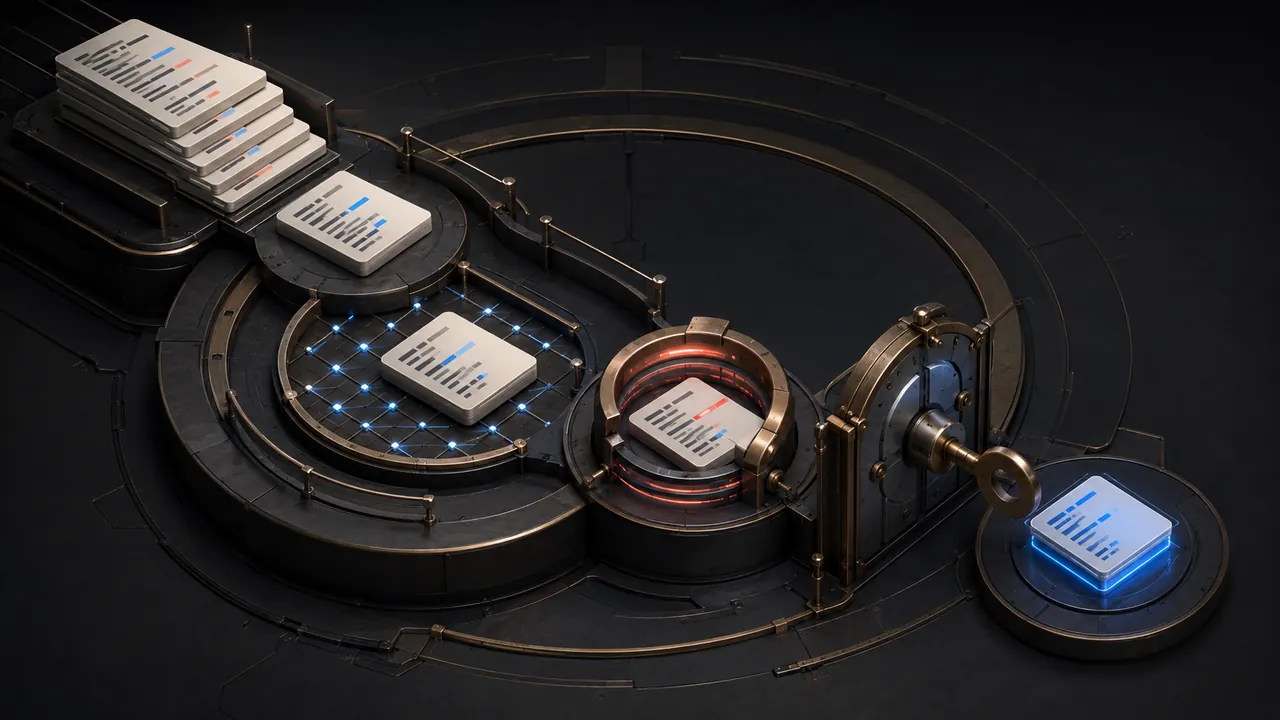
Generated code can contain insecure defaults and invented packages. Review the diff before running it.

Connected tools turn chat into action. Use least privilege and confirmation.

Do not approve a permission because an app asks. Match each request to a feature you are intentionally using, then choose the narrowest access.

Store essential records, contacts and recovery instructions in an encrypted, backed-up package that a trusted person can use under pressure.
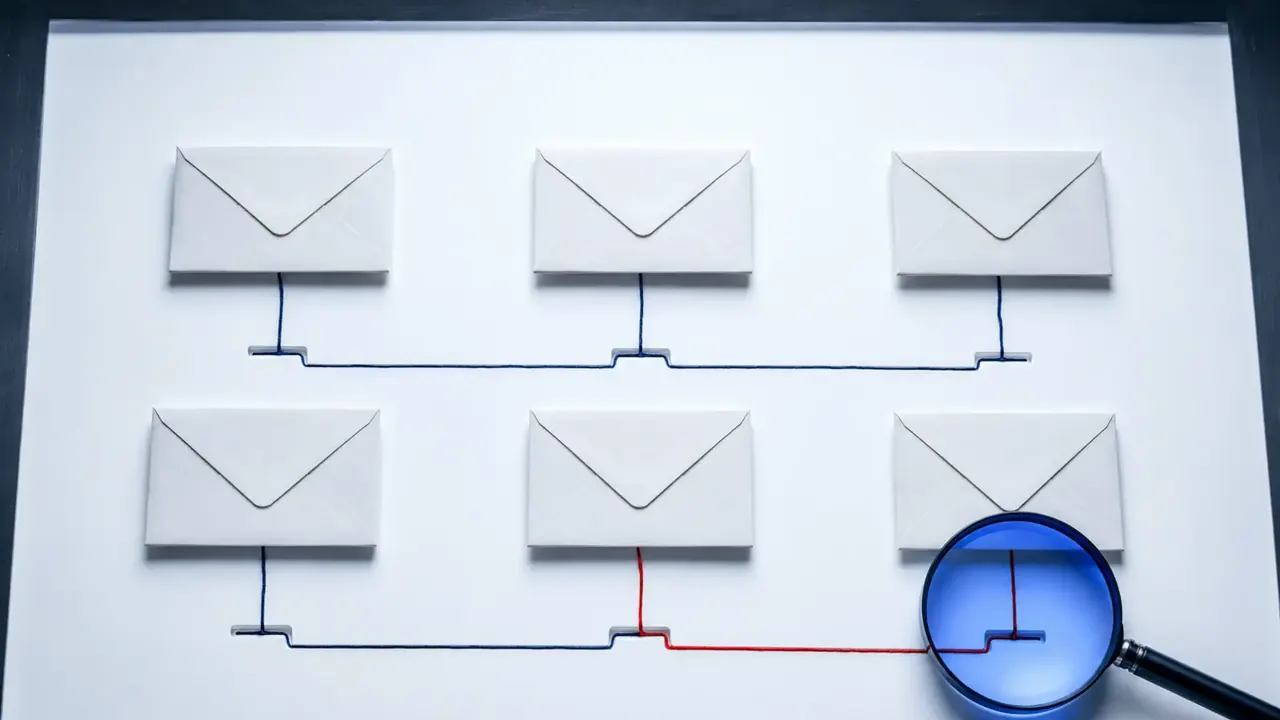
This source-backed quiz practices independent verification instead of guessing from logos, grammar or urgency.

The biometric or PIN unlocks an authenticator; the website receives cryptographic proof rather than your fingerprint.

Back up, sign out, remove locks, erase correctly, and verify the device no longer appears in your account.

Recovery codes belong outside the account and outside the device they are meant to rescue.

Use family roles, delegates, shared vaults, or separate logins; document ownership and recovery before access changes.

Local inference can avoid sending prompts to a host. The app, plugins and device security still define privacy.

Look first for security, breaking changes, deprecations and migrations; the rest tells you whether an update affects your actual workflow.