The setting unloads eligible background tabs to free memory, then reloads them when you return. The useful part is knowing which tabs it leaves alone and when to add an exception.
Profiles create durable separation for accounts, history, extensions and settings. Private windows are temporary sessions, not a reliable work-personal boundary.
A five-star rating cannot tell you whether an extension can read every page you visit. The permission screen can—and it deserves a minute before installation.
The browser can try HTTPS first and warn before loading an insecure connection. That protects the trip to a site, but it does not prove the site itself is honest.
Incognito and private windows reduce what remains in the ordinary browser history after you close them. Websites, networks and account providers can still observe the session.
A site can combine many ordinary device and browser signals into a probabilistic identifier. The best defense is built-in normalization, not making your setup uniquely strange.
A website notification can appear outside the tab and imitate a system warning. Remove the site's permission instead of clicking the alert or installing its suggested fix.
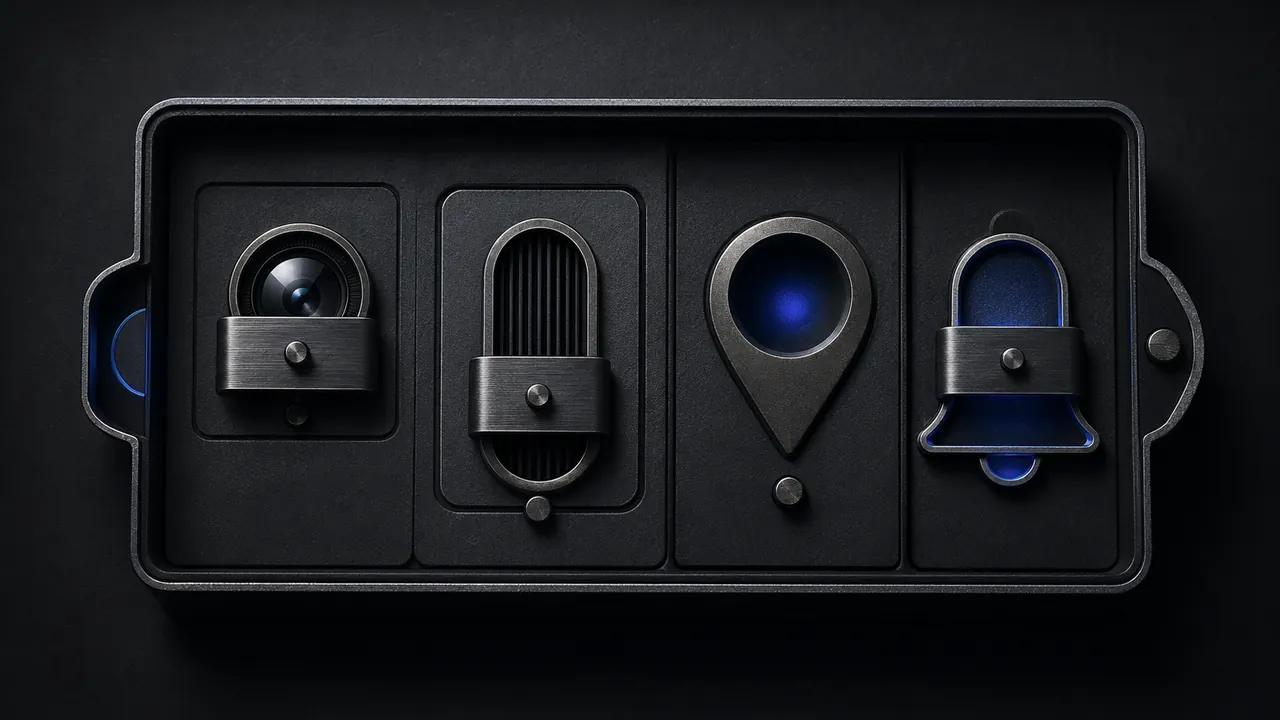
Camera, microphone, location, clipboard and notification grants accumulate quietly. A short quarterly review removes access from sites that no longer need it.
Sync can move bookmarks, history, open tabs, settings and passwords across devices. Choose the categories deliberately and secure the account that unlocks them.
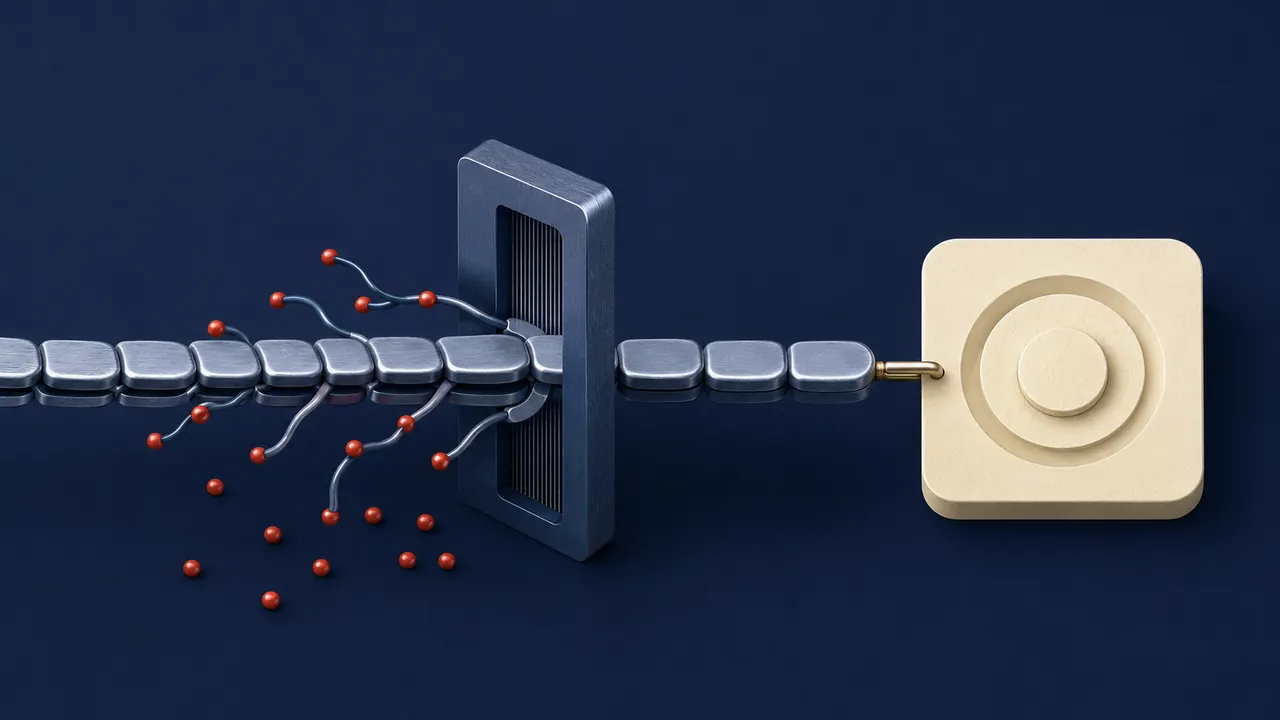
Many shared URLs contain campaign and click identifiers after the useful address. Strip known tracking parameters carefully, then verify the cleaned link still opens the same page.
Browsers can fetch pages before you click when they predict where you are going. The result can feel faster, but it may use data and contact a destination you never open.
Security fixes do not help a browser that has been waiting weeks for a restart. Check the real version, restart when required and retire unsupported systems.