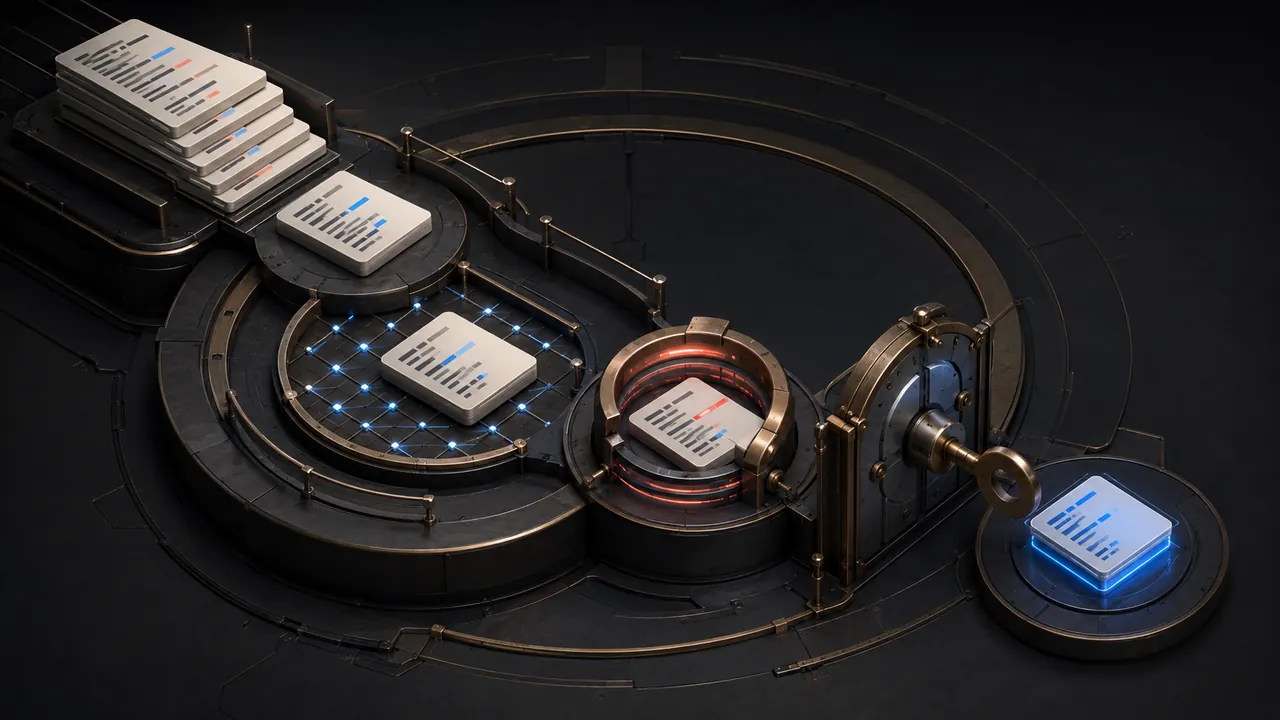
An AI agent should receive only the accounts, folders and actions required for the current task. A calendar lookup does not need email deletion.
Inventory authority
List tools and whether each can read, create, send, edit or delete. If scope cannot be narrowed, use a separate low-privilege account or do not connect it.
OWASP describes excessive agency as too much functionality, permission or autonomy. Google advises supervising Gemini tasks because mistakes can cause purchases or unexpected sharing.
Safer defaults
- Read-only before read-write.
- One folder before a drive.
- Draft before send.
- Preview before publish.
- Confirm purchase or deletion.
- Short-lived tokens.
Inspect actions
Review recipients, amounts, filenames and URLs in the confirmation interface. Stop unrelated access requests.
Afterward
Disconnect unused tools, review account activity and revoke stale tokens.
A small key ring keeps a model error or hostile page from opening every door.
Separate identities by purpose
Create a service account or constrained workspace for recurring automation instead of connecting the owner's primary inbox or drive. Give it access only to a designated folder, calendar or queue. This makes the boundary visible and simplifies revocation.
Design for reversible actions
Prefer moving a file to quarantine over permanent deletion, preparing a post over publishing, and creating a cart over submitting payment. Reversibility buys time to catch a mistaken interpretation without eliminating useful automation.
Example: an editorial agent
The agent can research public sources, draft into a staging area and generate an image manifest. It should not inherit domain settings, billing or the ability to publish every draft. A separate owner action can release a specific revision after automated checks.
Monitor scope drift
Integrations change and new features can request broader permissions. Review grants after major updates, inspect activity logs and alert on actions outside normal hours or destinations. Reauthorize deliberately rather than accepting a new scope during an urgent task.
Least privilege is not anti-automation. It is what allows automation to run repeatedly without making every model mistake an account-wide incident.
Define a stop condition
The agent should halt when a required account is unavailable, a recipient is ambiguous, a source conflicts, a price changes or a tool requests broader permission. It should not improvise around those boundaries. A clear stop produces a visible pending task instead of a plausible but unauthorized action.
Document the allowed destinations as well as allowed actions. Permission to send email is narrower when recipients are constrained to a reviewed list, and file creation is safer when output is restricted to a staging folder.
Sources & methodology2 sources - evidence for this revision
The records below show what each source supports in this published revision.
- OWASP Top 10 for LLM ApplicationsOWASPreference - Retrieved Jul 12, 2026
What it supportsOWASP defines excessive agency risk.
- Gemini Apps Privacy HubGoogle Gemini Apps Helpreference - Retrieved Jul 12, 2026
What it supportsGoogle advises supervising agentic tasks.