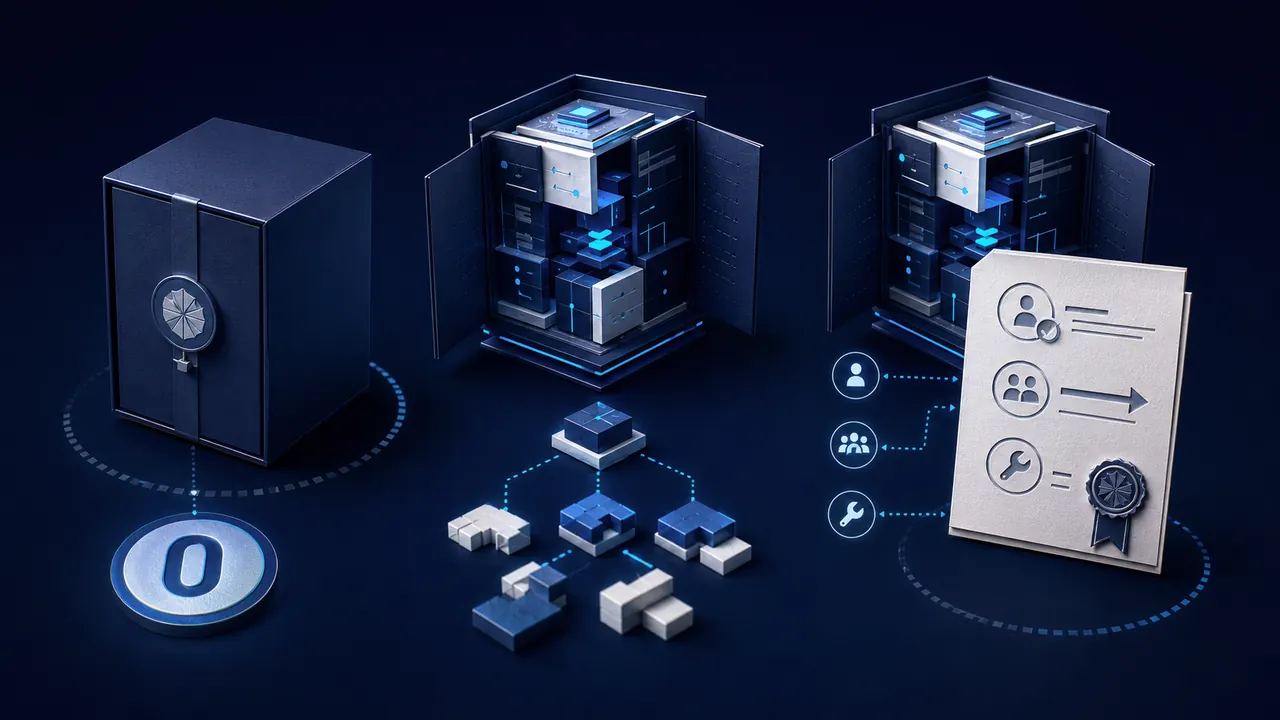
Before accepting a software license, answer six questions: who may use it, on how many devices, for what purpose, for how long, what renews automatically, and what happens to your files when access ends. Most people do not need to interpret every legal clause. They do need to locate the terms that determine whether the purchase fits real use.
License is not ownership
Software is commonly licensed rather than sold outright. The agreement grants specified rights under conditions. A perpetual license may allow indefinite use of a particular version, while updates or online services can end. A subscription generally provides access while payment continues. Lifetime is meaningful only if the contract defines whose lifetime and what service remains available.
Find the scope
Check whether the license is for one person, one household, one device, several activated devices or a concurrent number of users. Installation rights and simultaneous-use rights may differ. Look for transfer rules when replacing a computer. Student, nonprofit and personal plans may prohibit commercial work even when the program is technically identical.
For a workplace, verify whether contractors, clients or affiliates count as authorized users. Do not assume a consumer family plan covers a business team. Keep the invoice, product page and terms version that applied when you purchased.
Separate the program from the service
A desktop application may depend on cloud storage, AI credits, synchronization, stock assets or periodic activation. Identify which components continue after cancellation and whether the program can open existing files offline. Export important data to interoperable formats before a subscription or account ends. Check retention windows: a provider may delete cloud data after a period rather than store it indefinitely.
Inspect renewal and cancellation
Record the price after any introductory period, billing interval, renewal date and cancellation route. The Federal Trade Commission advises consumers to understand trial terms, monitor statements and cancel through the specified method. Save the cancellation confirmation. Removing an app or stopping use does not by itself terminate a subscription.
Understand open-source obligations
Open-source licenses grant broad rights but can impose conditions, especially when you distribute software or modified versions. Common obligations include retaining copyright notices, providing license text, identifying changes or making corresponding source available under copyleft terms. Internal use and distribution can trigger different duties. Use the actual license, and obtain qualified legal advice for high-stakes product decisions.
Watch for change clauses and conflicts
Terms may allow the provider to modify features, prices or the agreement. Check how notice is delivered and whether you can reject a change by cancelling. Review dispute, governing-law and warranty sections in proportion to the purchase. For critical software, also evaluate the vendor's export tools, support commitment and end-of-life policy; a generous license is not a continuity plan.
A practical license record
- Save the order page, receipt and applicable terms.
- Record plan, renewal date and full post-promotion price.
- List authorized people, devices and commercial-use rights.
- Document activation transfer and offline requirements.
- Export essential data and test it elsewhere.
- Preserve cancellation or termination evidence.
If the key terms are missing or contradictory, ask the vendor in writing before paying. The useful outcome is not pretending to have read like a lawyer; it is knowing whether the license permits your intended use and whether you can leave without losing access to your own work.
Sources & methodology3 sources - evidence for this revision
The records below show what each source supports in this published revision.
- LicensesOpen Source Initiativereference - Retrieved Jul 12, 2026
What it supportsA software license grants specified permissions and may differ in user, device, purpose and duration limits.
- Free trials, auto-renewals, and negative option subscriptionsFederal Trade Commissionreference - Retrieved Jul 12, 2026
What it supportsConsumers should review automatic-renewal and trial terms and keep cancellation evidence.
- Choose an open source licenseGitHubreference - Retrieved Jul 12, 2026
What it supportsOpen-source licenses can carry conditions for redistribution even when use and modification are allowed.