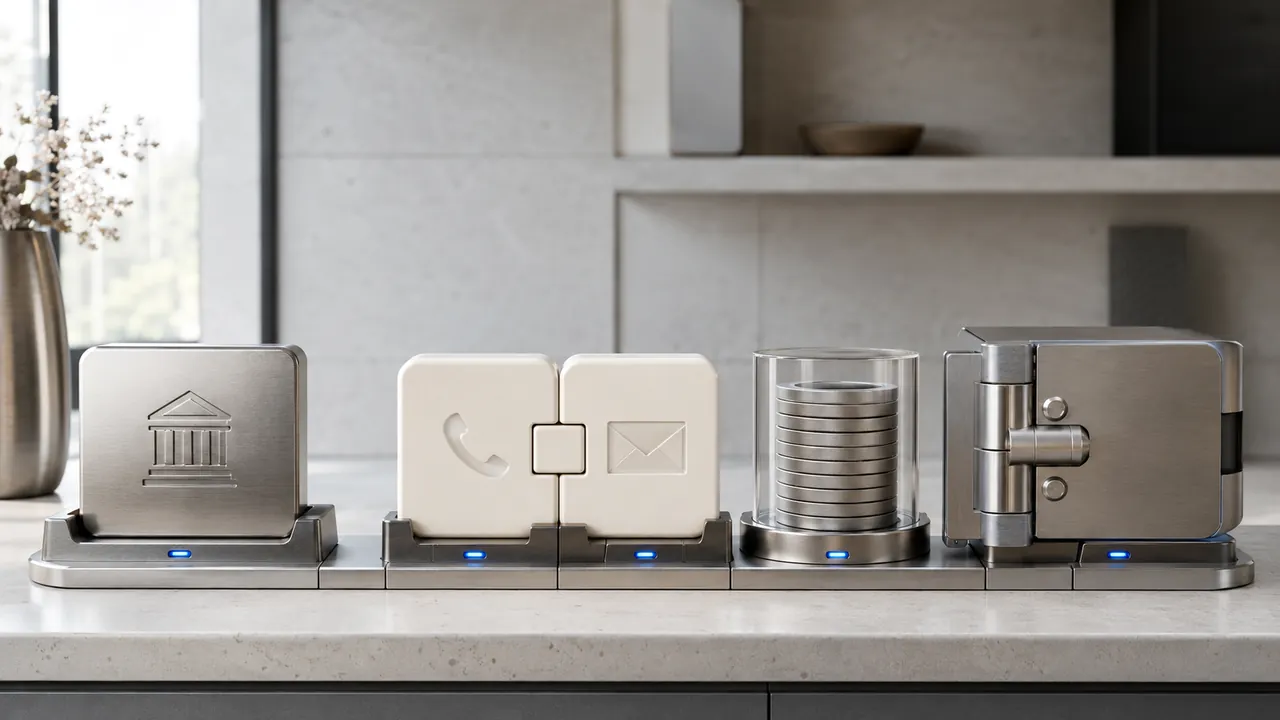
Zelle moves money directly between bank accounts and is designed for people you know and trust. That speed is useful for rent or repayment—and unforgiving when a phone number is wrong or a story is fake.
Zelle is designed for people you know and trust; confirm the enrolled phone or email through another channel before sending. Ask the recipient which email address or phone number is enrolled, confirm it in a separate conversation, then read the name your bank displays.
Ask the recipient to state the enrolled destination rather than reading one to them. For changed business instructions, use contact information from an earlier trusted record.
Confirm the enrolled destination
Ask the recipient which exact email or phone is enrolled. Ask which exact phone number or email address is enrolled. Confirm the answer through a conversation you initiated, not a reply to a payment request.
Fast bank money leaves little correction time
Confirm that answer through a separate trusted conversation
Read the recipient name shown by the bank before approving. If it does not match the expected person or business, stop.
Read the recipient name shown by your bank
Use Zelle only for people and businesses you know and trust. It is not a substitute for a marketplace checkout with purchase protections.
Use a small test payment for a new recipient when appropriate
A bank caller will not need you to send money to yourself or another account to reverse fraud. End that call and contact the bank directly.
Stop if anyone says you must pay yourself to fix fraud
For an unauthorized or misdirected transfer, call the bank immediately with the transaction ID. Do not send another payment as a correction.
A landlord or contractor changing payment details by email is a classic point for interception. Call a known number and verify the new destination before saving it in the bank app.
Fraud and scams are different problems
- A caller from a spoofed bank number can sound convincing.
- Do not use Zelle for an unknown online seller.
- Fast delivery also means little time to catch a mistake.
Call the bank immediately for an unauthorized transfer or mistaken destination; do not send another transfer to “cancel,” “verify,” or “protect” the first one.
Never pay yourself to stop fraud
Check current menu names, limits, and recovery language against “Understanding Fraud and Scams” and “Only Send Money to Friends, Family and Others You Trust” before acting; platform behavior can change after publication, and each source should be used only for the claim it actually supports.
Zelle says fraud involves unauthorized access while a scam involves a person being tricked into authorizing a payment.
Zelle’s safety education tells users to send money only to people and businesses they know and trust.
Sources & methodology2 sources - evidence for this revision
The records below show what each source supports in this published revision.
- Understanding Fraud & ScamsZellereference - Retrieved Jul 12, 2026
What it supportsZelle says fraud involves unauthorized access while a scam involves a person being tricked into authorizing a payment.
- Only Send Money to Friends, Family and Others You TrustZellereference - Retrieved Jul 12, 2026
What it supportsZelle’s safety education tells users to send money only to people and businesses they know and trust.