You can remember the exact shape of a webpage and still fail to find it. The address redirects. The images are gone. The text survives in a repost with the author cut off. A page can be public for years and leave less behind than a pamphlet placed in a library box.
That is not a glitch in the web's memory. The public web has no guaranteed, comprehensive memory. Preservation is a separate job performed by archives and site owners, often with automated crawlers operating under deliberate collection policies.
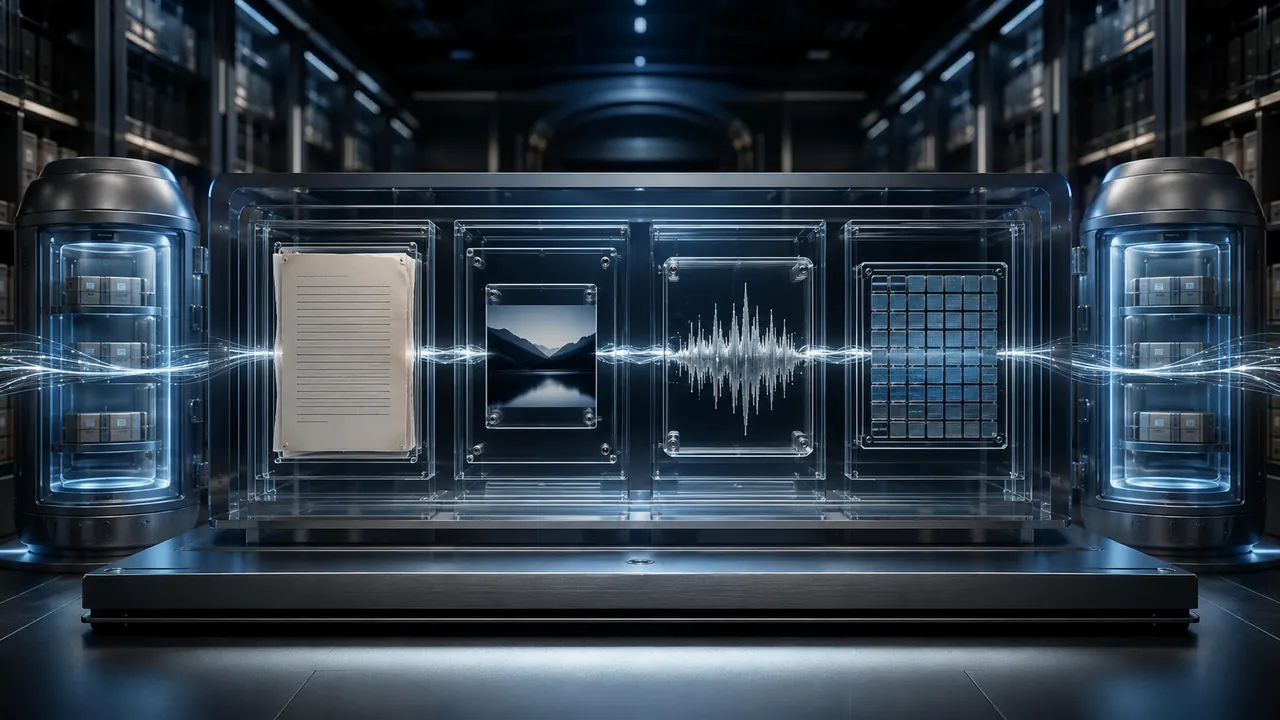
The Library of Congress describes websites as ephemeral, at-risk material. URLs change, content is revised, and entire sites disappear. Its Web Archive therefore selects material, captures it, preserves it, and provides access for future research. Each verb matters. An archive is made; it does not simply accumulate.
A page is more than the file you can see
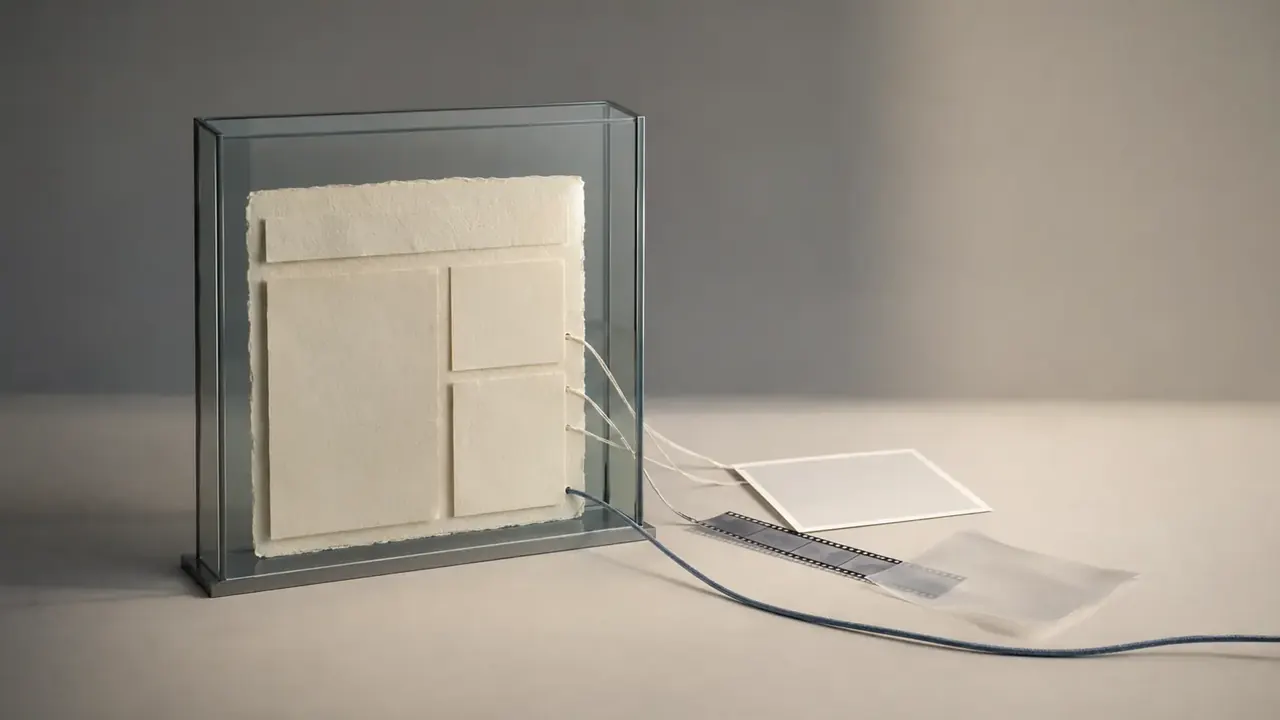
An HTML page can point outward to stylesheets, scripts, fonts, images, video, and data services. The Library's format notes explain that image and video files are referenced rather than stored inside the HTML file. Modern pages can depend heavily on JavaScript and external systems that are difficult to interpret or replay outside their original environment.
That is why an archived page may look wrong or refuse to perform an old interaction. An available capture may still omit interactive behavior or external dependencies. The capture can preserve important evidence without recreating the original service perfectly. A frozen copy of the stage does not bring every backstage machine with it.
Selection creates a second history
The Library says subject experts select web content under collection policies. Its archive is selected rather than presented as a complete copy of the web. That means the historical record reflects preservation decisions as well as the original web.
Future researchers could inherit strong records of a major public event but only fragments of the small forums where people discussed it. The gap would not prove the smaller conversation was unimportant. It could mean nobody captured it in time.
What a reader can do
When a page matters, save more than a bookmark. Record the author, title, publication date, and access date. Check a reputable web archive, while remembering that a capture may omit interactive behavior or external dependencies. If you own a site, follow web and accessibility standards, keep URLs stable, expose pages through ordinary crawlable links or a sitemap, and prefer sustainable formats.
For the cultural side of that loss, read why old websites felt more human.
The point is not to turn every browser session into archival work. It is to stop confusing availability with permanence. The web can preserve an extraordinary amount of culture, but only when somebody does the preserving.
Sources & methodology3 sources - evidence for this revision
The records below show what each source supports in this published revision.
- Web Archiving OverviewLibrary of Congressprimary - Retrieved Jul 11, 2026
What it supportsThe Library of Congress describes websites as ephemeral, at-risk born-digital content. - Library collection policies and subject experts inform selection for its web archive.
- HTML 5 format descriptionLibrary of Congressprimary - Retrieved Jul 11, 2026
What it supportsHTML pages can depend on external assets and systems that are not contained in the HTML file.
- Creating Preservable WebsitesLibrary of Congressprimary - Retrieved Jul 11, 2026
What it supportsStable URLs, crawlable links, sitemaps, standards and sustainable formats improve a site's preservability.