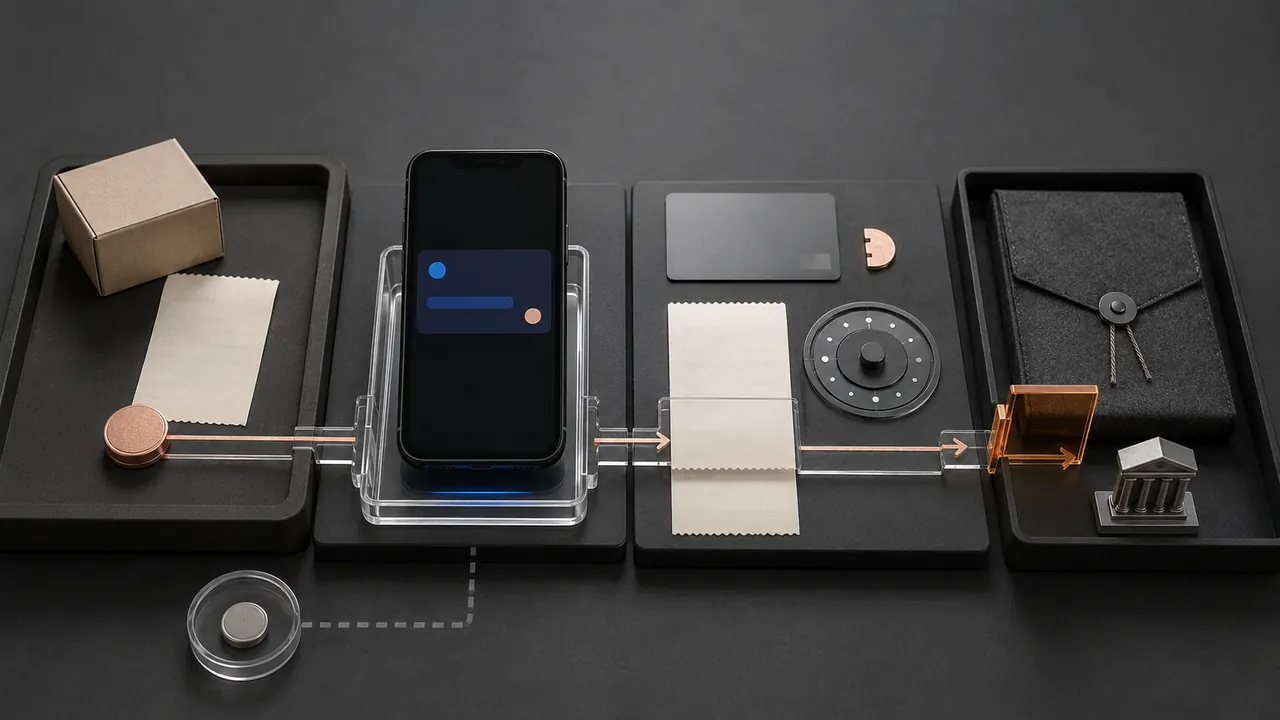
Google Wallet can hold the card credential, but the merchant still sells the item and the card issuer still runs the account. The right refund path depends on where the transaction actually occurred.
Google Wallet often passes a card credential to a merchant; refunds and disputes usually follow the merchant and card issuer paths. Find the merchant, funding card, and transaction status before removing cards or opening disputes. A pending authorization is not always a completed charge.
Open both Wallet activity and the underlying card account. Match merchant name, date, amount, and token details before deciding whether the issue is a return or unauthorized charge.
Identify merchant, card, and status
Identify the merchant and the card used for the transaction. Identify the merchant, the card used, and whether the entry is pending or posted. Wallet may hold the credential without being the seller.
A wallet is not always the seller
Check whether the charge is pending or posted
For an ordinary return, contact the merchant and keep the refund confirmation. The credit normally returns through the original funding card.
Request a refund from the merchant and keep confirmation
Do not treat a pending authorization as a final duplicate charge. Hotels, gas stations, and some merchants adjust amounts after settlement.
Watch the original card account for the credit
If a posted charge is unauthorized, report it to the card issuer promptly. Removing the card from Wallet does not dispute an existing transaction.
Report an unauthorized posted charge to the card issuer promptly
Track the merchant’s promised refund date against the card statement. Escalate when the promised window passes without a credit.
A card token in Wallet can display different final digits from the physical card. The issuer can still trace it, so give the merchant, date, amount, and Wallet details instead of assuming it is another account.
Pending charges need patience
- Deleting a card from Wallet does not cancel a purchase.
- A merchant refund may take time to post.
- Do not dispute a legitimate pending authorization as a final charge.
Contact the issuer for a posted charge you did not authorize; contact the merchant first for an ordinary return, duplicate, cancellation, or missing refund.
Choose the right dispute door
Check current menu names, limits, and recovery language against “Get help with a purchase you made with Google Pay” and “Lost or stolen credit, ATM, and debit cards” before acting; platform behavior can change after publication, and each source should be used only for the claim it actually supports.
Google says it does not hold or process funds for Google Pay checkout: merchants handle ordinary refunds, while banks or card issuers handle disputes and unauthorized charges.
CFPB says consumers should notify their bank or credit union promptly about unauthorized electronic transactions; timing can affect liability and error-resolution rights.
Sources & methodology2 sources - evidence for this revision
The records below show what each source supports in this published revision.
- Pay on an app or websiteGoogle Wallet Helpreference - Retrieved Jul 12, 2026
What it supportsGoogle says it does not hold or process funds for Google Pay checkout: merchants handle ordinary refunds, while banks or card issuers handle disputes and unauthorized charges.
- How do I get my money back after I discover an unauthorized transaction or money missing from my bank account?Consumer Financial Protection Bureaureference - Retrieved Jul 12, 2026
What it supportsCFPB says consumers should notify their bank or credit union promptly about unauthorized electronic transactions; timing can affect liability and error-resolution rights.